بسم الله الرحمن الرحيم

The Life & Legacy

Martyred Grand Ayatollah
Syed Ali Husaini Khamenei
Scholar • Revolutionary • Thinker • Leader
✦ SCROLL TO EXPLORE ✦

Introduction

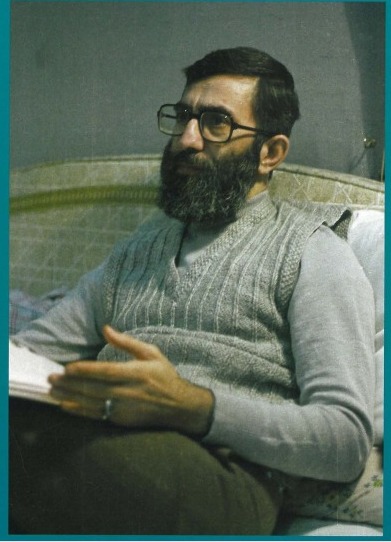
Martyred Grand Ayatollah Sayed Ali Khamenei is among the most influential contemporary Islamic scholars and political leaders. His life reflects a journey shaped by scholarship, revolutionary activism, intellectual discourse, cultural vision, and leadership in the modern Islamic world.

Early Life

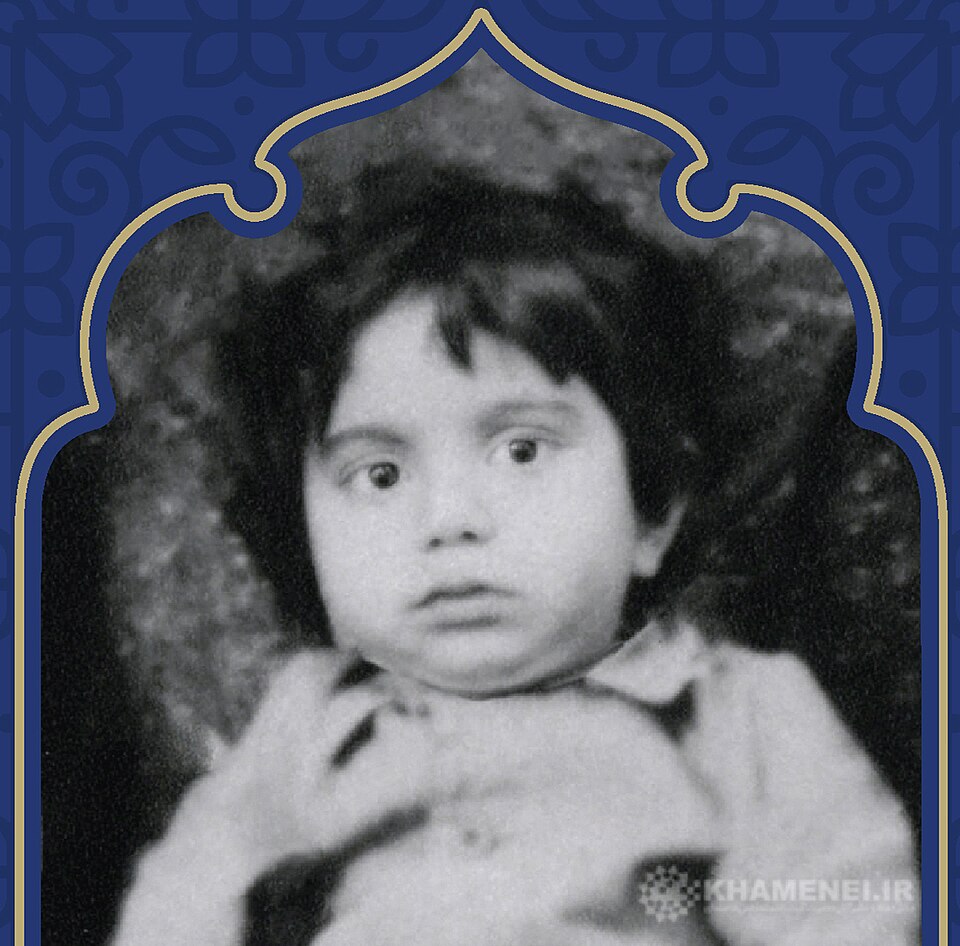
Childhood

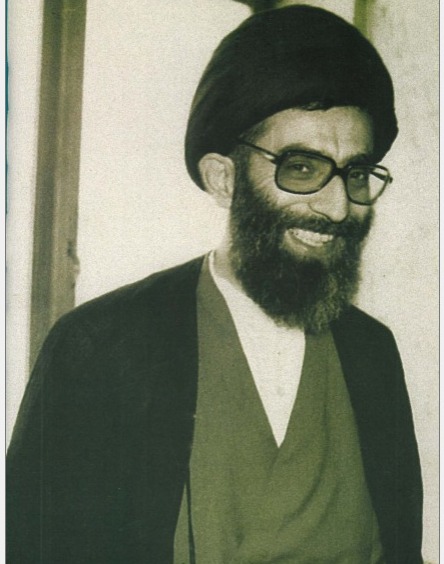
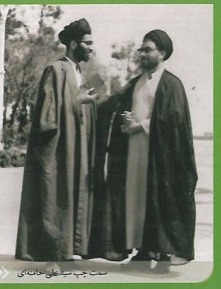
Syed Ali Husseini Khamenei, the son of the late Hujjat al-Islam wal-Muslimin Hajj Sayyid Jawad Husseini Khamenei, was born in the holy city of Mashhad in Farvardin 1318 of the Solar Hijri calendar, corresponding to the year 1358 of the Lunar Hijri calendar.
He was the second son of the family. Like many seminarians and teachers of religious studies, the life of the late Sayyid Jawad Khamenei was very simple and ascetic. Ayatollah Khamenei recalls:
“My father, though a well-known religious figure, lived an ascetic life. We had a difficult life. I remember that sometimes we had nothing for supper except bread and raisins, which our mother somehow managed to prepare.”
The house in which the family lived was located in a poor neighborhood:
“Our house, which was about sixty-five square meters, consisted of a single room and a dark basement. Whenever visitors came to consult my father, who was the local cleric, the family had to move into the basement until the meeting ended. Years later, some charitable people purchased the small vacant lot next to our house, allowing us to add two more rooms.”
Father

His father was born in Najaf on the 16th of Azar of 1274 S.H./20th of Jumadi at-Thani 1313 L.H. – and he passed away on the 14th of Tir of 1365 S.H.. He was one of the ulama and mujtahids of his time and he migrated to Tabriz with his family. After finishing the Sath level, he migrated to Mashhad in the year 1336 L.H.. In the area of fiqh and usul, he was under the tutelage of outstanding personalities like Hajj Agha Hussein Qomi, Mirza Mohammad Aghazade Khorasani (known as Kafai), Mirza Mahdi Isfahani and Hajj Fazel Khorasani.
In the area of philosophy, he was taught by Agha Bozorg Hakim Mashhadi and Sheikh Asadollah Yazdi. Later on, he went to Najaf in the year 1345 L.H. and he benefitted from the lessons of Mirza Mohammad Hussein Naeeni, Sayyid AbulHassan Isfahani and Agha Zia ul-Din Iraqi was given permission to practice ijtihad by these three personalities. After this, he decided to return to Iran. He went to Mashhad and stayed there for the rest of his life. As well as teaching, he was entrusted with the task of public prayer leadership in the Mosque of Siddiqis of Mashhad Market (also known as Azarbaijanis’ Mosque). He was also one of the public prayer leaders of Goharshad Mosque. He was deeply interested in studying. His scholarly peers included Hajj Mirza Hussein Abai, Hajj Sayyid Ali Akbar Khui, Hajj Mirza Habib Maleki and other such personalities with whom discussions and research continued for many years. He was a pious man who was indifferent to material affairs and who led an ascetic lifestyle.
After the victory of the Islamic Revolution, he continued his ascetic lifestyle although his children held high-ranking political and executive positions. He was always trusted by the people because of his human qualities. He was buried in a portico behind the holy zarih of Imam Ridha (a.s.). In a message of condolence to Ayatollah Khamenei, Imam Khomeini (r.a.) described Ayatollah Sayyid Jawad Khamenei as a pious and committed scholar.

Mother

Lady Mirdamadi was born in the year 1293 S.H. and passed away in the year 1368. She was a pious and religious woman who was familiar with Quranic ayahs, hadith, history and literature. She accompanied her children – particularly Ayatollah Sayyid Ali Khamenei – during revolutionary activities against the Pahlavi regime.
My mother was a very wise, educated and well-versed woman who enjoyed poetic and artistic talents. She was familiar with Hafiz. Of course, when I say “familiar”, I do not mean that she was an expert on him. Rather, I mean that she was an avid reader of Hafiz poems. She was entirely familiar with the Holy Quran and she had a mellifluous voice”.
“When we were children, all of us would sit and my mother read the Holy Quran for us. She recited it very sweetly and beautifully. We gathered around her and she recited different ayahs about the lives of prophets on different occasions. I initially heard about the lives of Hazrat Musa (a.s), Hazrat Ibrahim (a.s.) and a number of other prophets from my mother. Whenever she recited the Holy Quran and whenever the names of prophets were mentioned, she began to provide explanations for us”.
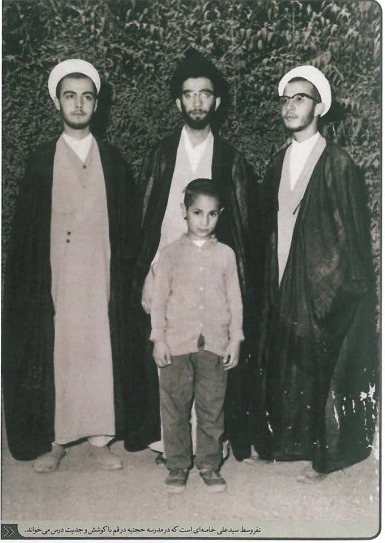
Elementary Education

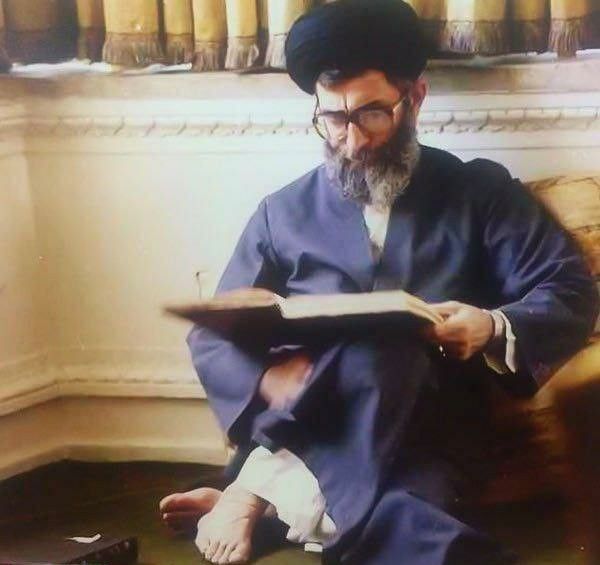
Sayyid Ali Khamenei began his education at the age of four. He was sent to Maktab and he began to learn the Holy Quran. He attended the first Islamic school of Mashhad, Dar al-Ta’alim Dianati, for elementary school. At the same time, he began to study the Holy Quran from a number of qurra in Mashhad.
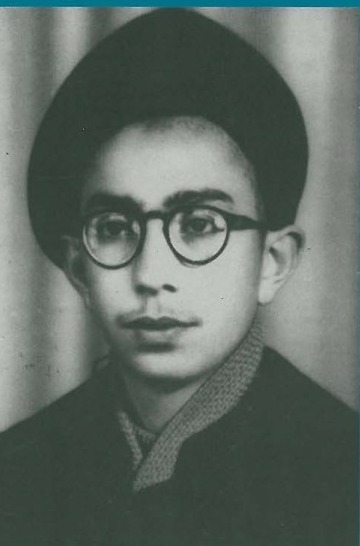
Secondary Education

When he was in the sixth grade, he began his elementary seminary studies. His great interest in seminary studies and his parents’ encouragement helped him enter this world after finishing elementary school. He continued his Islamic teachings at Suleiman Khan Islamic Seminary. He also learned some basic teachings from his father. Later, he went to Navab School and he finished Sath level there. Simultaneously, he went to high school and continued until the second level.
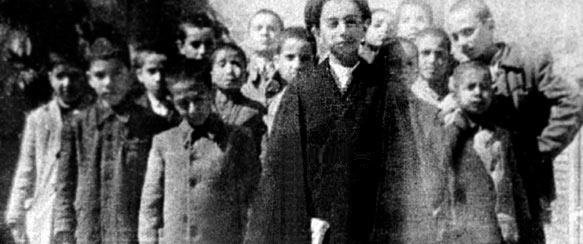
Higher Education

He studied “Ma’alem al-Usul” from Ayatollah Sayyid Jalil Husseini Sistani and “The Annotated Edition of Luma’h” from his father and Mirza Ahmad Modarres Yazdi. He studied “Rasael”, “Makassib” and “Kifayah” with his father and Ayatollah Hajj Sheikh Hashem Qazvini. In the year 1334 S.H., he began attending Dars-e Kharij which was taught by Ayatollah Sayyid Mohammad Hadi Milani.
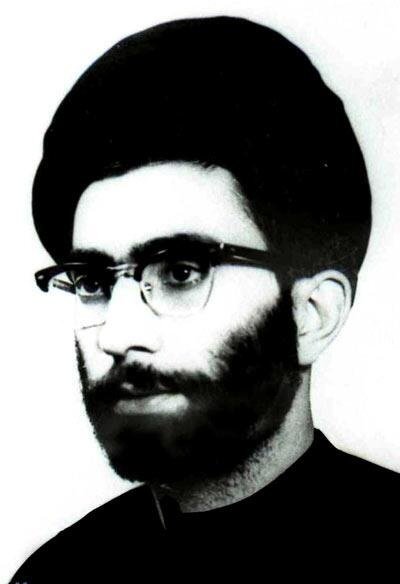
Najaf Islamic Seminary

In the year 1336 S.H., he went on a trip to Najaf. There he attended the classes of well-known teachers of Najaf Islamic Seminary such as Ayat Sayyid Mohsen Hakim, Sayyid AbulQasem Khui, Sayyid Mahmoud Shahroudi, Mirza Baqir Zanjani and Mirza Hassan Bojnourdi. However, he returned to Mashhad because of his father’s reluctance to live in this city. In Mashhad, he attended the classes of Ayatollah Milani for another year. Later in the year 1337 S.H., he went to Qom Islamic Seminary because of his great interest in continuing his studies. In the same year and before travelling to Qom, he was given revayat permission by Ayatollah Mohammad Hadi Milani.
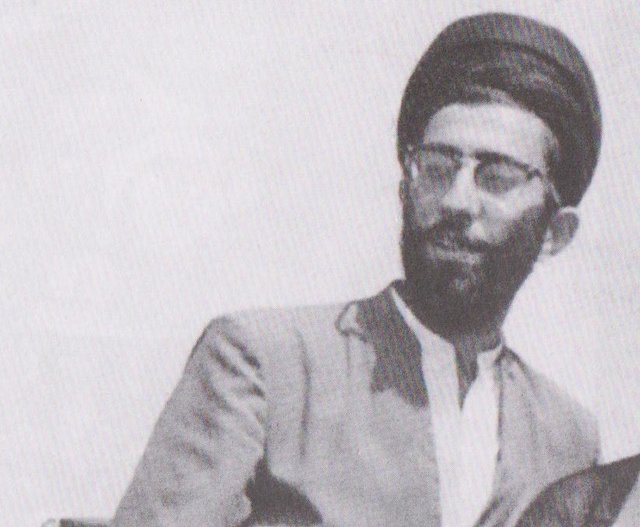
Qom Islamic Seminary

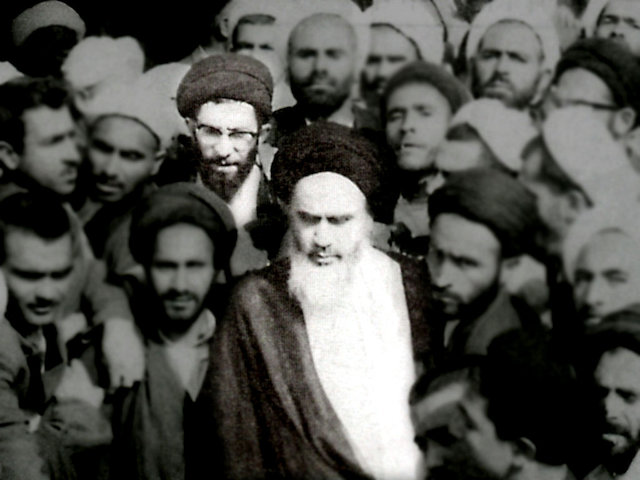
In Qom, Sayyid Ali Khamenei benefitted from the tutorship of great personalities such as Ayat Hajj Agha Hussein Borujerdi, Imam Khomeini (r.a.), Hajj Sheikh Morteza Haeri Yazdi, Sayyid Mohammad Muhaqiq Damad and Allamah Tabatabai. During his stay in Qom, he spent much of his time researching, studying and teaching.

Return to Mashhad

In the year 1343 S.H., he had to return to Mashhad in order to help his father who had developed some sight problems. Once more, he attended the classes of Ayatollah Milani which continued until the year 1349. As soon as he went to Mashhad, he engaged in teaching high-level fiqh and usul based on books such as “Rasael”, “Makassib” and “Kifayah”. Moreover, he held tafsir classes for the public. A large number of youth – particularly students – participated in these classes.
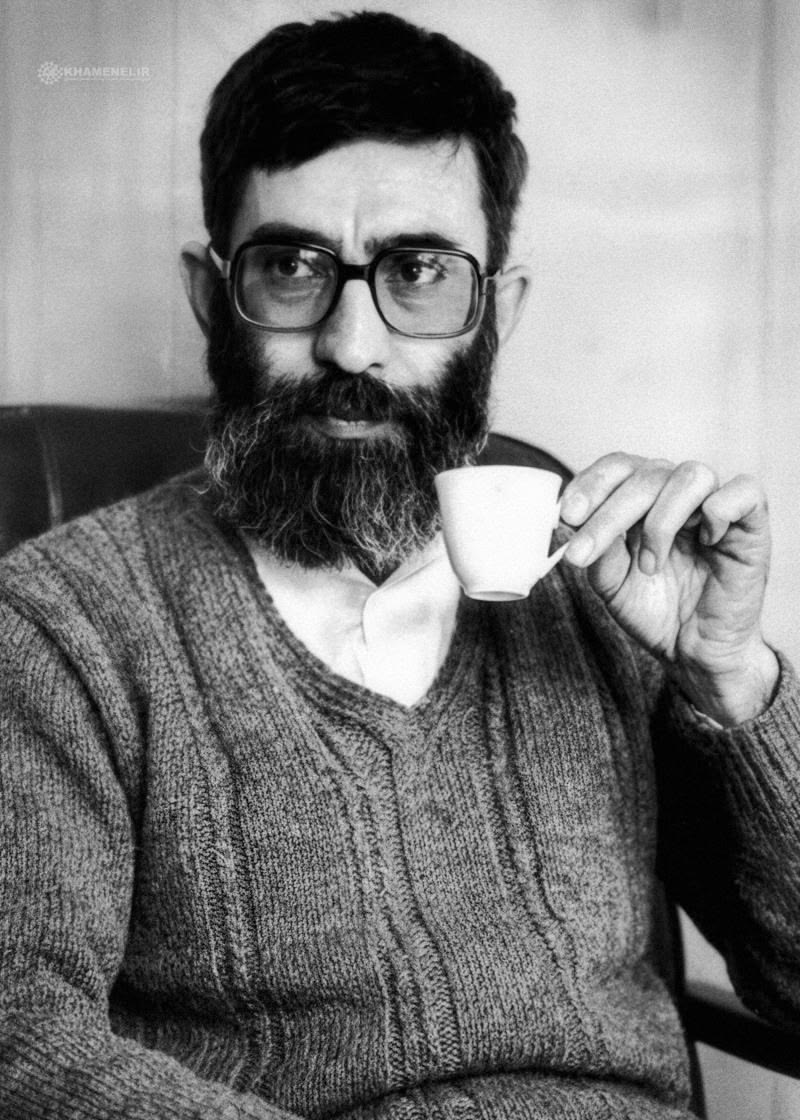
Tafsir Class

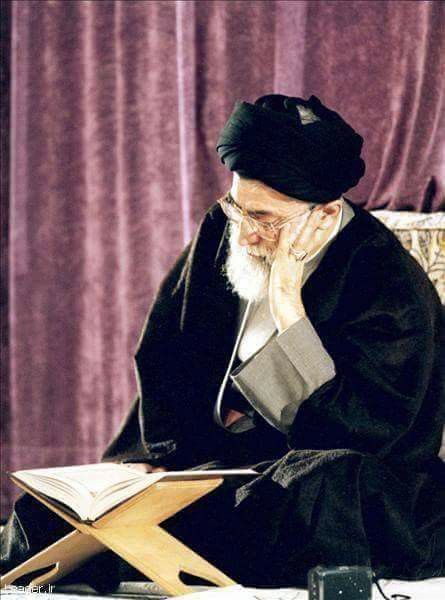
In his tafsir classes, Ayatollah Khamenei taught the most important bases of Islamic thought and philosophy based on Quranic ayahs and he stressed the necessity of revolutionary activities and overthrowing the taghuti regime so much so that the participants in his tafsir classes reached the conclusion that a government based on Islam and religious teachings should be established in the country.
One of his main purposes of holding tafsir classes was conveying the principles of the Islamic Revolution to society. In the year 1347, he began to teach high-level tafsir for the clergy and these lessons continued until the year 1366 before he was arrested and exiled to Iranshahr. His tafsir classes continued even after his presidency.

Teaching Dars-e Kharij

He started to teach Dars-e Kharij in the year 1369 and since then, he has engaged in teaching principles of jihad, qisas, makassib, and travelers’ daily prayers.

Literary Personality

Ayatollah Khamenei is well-versed with poetry and literature and has always been interested in reading novels and fiction. He has read many well-known novels and works of fiction from around the world. This interest in reading novels, literary works of great writers and the history and culture of eastern and western nations continues. He has engaged in literary criticism and composing poems. He is in contact with many poets, writers and intellectuals.
During the time when he was in Mashhad, he participated in literary meetings in which great poets were present. He engaged in critiques of pomes in these literary meetings. Ayatollah Khamenei himself has composed some poems and he has used the pseudonym “Amin” [“trustworthy”] in recent years. Reading history books is another part of his studies and he has mastery over discussions and subjects on contemporary history.

Works Authored and Translations

Works Authored

  • Four Principal Books of “Ilm ul-Rijal”
  • slamic Thought in the Quran
  • Imam Al-Sadiq (a.s.)
  • The Profundity of Prayer
  • A Discourse on Patience
  • The Spirit of Tawhid and the Denial of Worshipping Other than God
  • A Report on the History and Current State of Qom Islamic Seminary

Translations (from Arabic into Farsi)

  • “The Future in Islamic Lands” by Sayyed Qutb
  • “Peace Treaty of Imam Hassan (a.s.), the Most Glorious Heroic Flexibility in History” by Raazi Aal-Yasseen
  • Tafsir “In the Shade of the Quran” by Sayyed Qutb
  • “Muslims in the Liberation Movement of India” by Abdulmunaim Nassri
  • “An Indictment Against the Western Civilization” by Sayyed Qutb

Political and Social Life
(befor victory of Islamic Revolution)

Revolutinary Activities

The political-religious activities in Ayatollah Khamenei’s household had prepared him for political-religious activities in later life. The starting point for his entry into political activities was his meeting with the famous Islamic revolutionary Sayyid Mojtaba Navab Safavi (Mirlohi) in Mashhad when Ayatollah Khamenei was a young seminarian. As he himself says, this meeting created the first revolutionary spark in him. His first meeting with Imam (r.a.) took place in the year 1336 and he became familiar with the political aspect of Imam Khomeini (r.a.) during the events related to the ratification of the state councils bill.
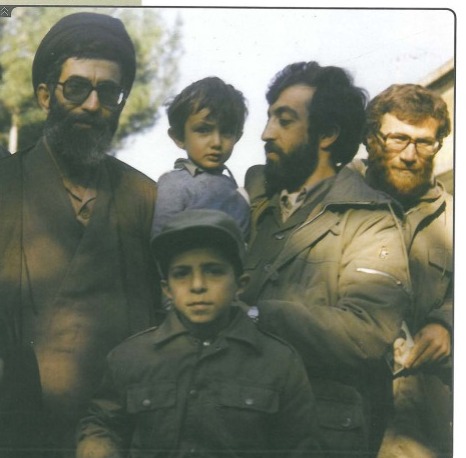
Under the leadership of Imam Khomeini

Ayatollah Khamenei entered different arenas of fighting against taghut in the year 1341. He was one of the first personalities who began revolutionary activities before the uprising of the 15th of Khordad of 1342. In Bahman of 1341, after a poll on the state councils bill, Ayatollah Khamenei and his brother, Sayyid Mohammad, were entrusted with the responsibility of delivering Ayatollah Mohammad Hadi Milani’s report to Imam Khomeini. This report was about the reaction of the people of Mashhad to this poll.
First arrest during the Uprising of the 15th of Khordad

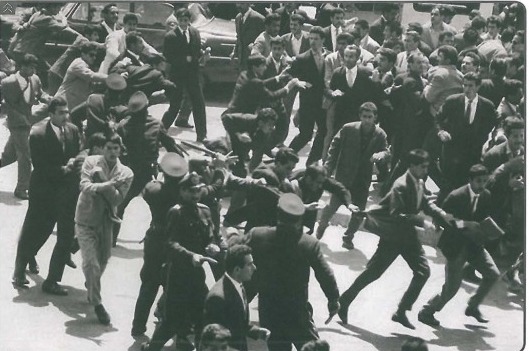
In the year 1342, when the month of Muharram was approaching, Imam Khomeini (r.a.) entrusted him with the responsibility of delivering messages to Ayatollah Milani and ulama, seminarians and religious groups of Khorasan in order to continue the movement and inform the people of the propaganda of the Pahlavi regime. In these messages, Imam Khomeini (r.a.) had laid down a number of guidelines. He had asked the ulama and clergy to narrate the events of the massacre at Feyziyyah School from the seventh day of Muharram. This was done in order to show the crimes of the Pahlavi regime.

A trip to Birjand

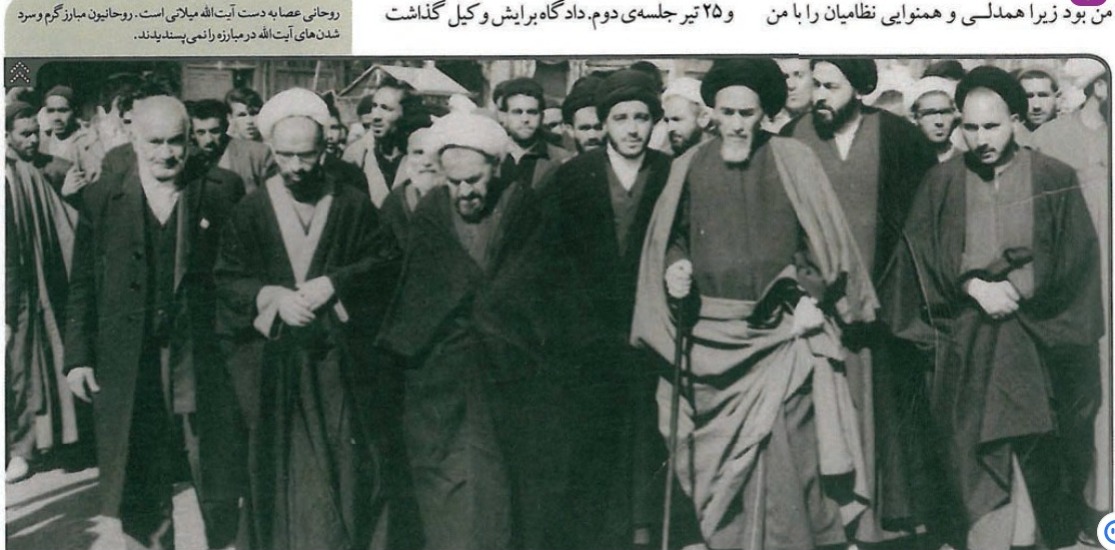
Ayatollah Khamenei himself went to Birjand – which was under the influence of knowledgeable personalities – with the purpose of achieving the goals and guidelines of Imam Khomeini (r.a.). In the minbars and meetings held in this city, he delivered a speech about the massacre at Feyziyyah School and the domination of Israel over Islamic societies. Following these speeches, he was arrested in Mashhad on the 12th of Khordad of 1342 which coincided with the seventh of Muharram. After he was freed, Ayatollah Mohammad Hadi Milani went to visit him.

In Ayatollah Milani’s house

He pursued his political activities in the meetings that were held in Ayatollah Milani’s house with the purpose of continuing the Islamic movement in Imam Khomeini’s (r.a.) absence – who was under house arrest. Shortly after, he returned to Qom Islamic Seminary and organized political activities with the help of a number of revolutionary activists. These activities took the form of meetings andcampaigns. He was one of the clergy who sent a telegram to Ayatollah Sayyid Mahmoud Taleqani, Mehdi Bazargan and Yadollah Sahabi who had been arrested because of their support of Imam Khomeini (r.a.).

Letter to Prime Minister

At the same time and under the guidance of Ayatollah Khamenei, Khorasani clergy of Qom Islamic Seminary wrote a letter to Hassan-Ali Mansour, the prime minister of the time, expressing their opposition to Imam Khomeini’s (r.a.) arrest. The writers of this letter included Ayatollah Khamenei himself, AbulQassem Khazali and Mohammad Abai Khorasani.

Second arrest during Revolutionary Journeys

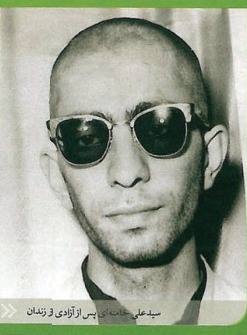
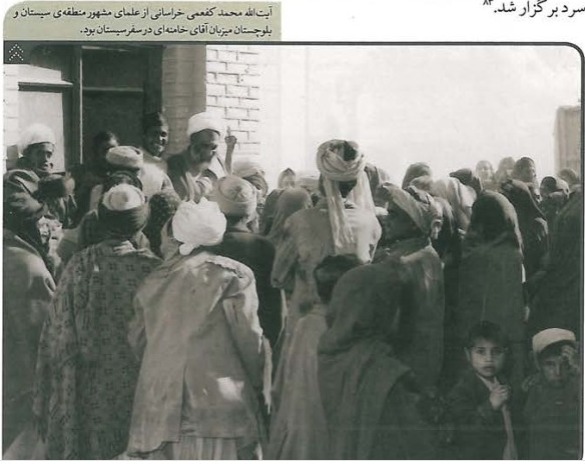
Sayyid Ali Khamenei went to Zahedan, Sistan-Baluchistan Province, in Bahman of 1342 – which coincided with Ramadan – in order to promote and explain the principles of the Islamic movement. His speeches in Zahedan’s mosques and widespread reception of these speeches led to the regime arresting him again. He was sent to Qezel Qaleh Prison which was the place for keeping political prisoners at that time. On the 14th of Esfand of 1342, he was released from prison on condition that he would not leave Tehran. Since then and until the victory of the Islamic Revolution, his activities came under the permanent surveillance of intelligence agents.

“The meeting of the Eleven” in Qom Islamic Seminary

In the fall of the year 1343, Ayatollah Khamenei returned from Qom to Mashhad and he engaged in scholarly and political activities as well as looking after his father. He was one of the clergy who wrote a letter to the interim government – the government of Amir Abbas Hoveyda – on the 29th of Bahman of 1343, expressing his opposition to the disastrous conditions of the country and Imam Khomeini’s (r.a.) exile. Sayyid Ali Khamenei, Abdol Rahim Rabbani Shirazi, Ali Feyz Meshkini, Ibrahim Amini, Mahdi Haeri Tehrani, Hossein-Ali Montazeri, Ahmad Azari Qomi, Ali Qoddusi, Akbar Hashemi Rafsanjani, Sayyid Mohammad Khamenei and Mohammad Taqi Mesbah Yazdi were the eleven members of the group which had been formed with the purpose of strengthening and reforming Qom Islamic Seminary in the struggle against the Pahlavi regime.

Struggle based on ideology and belief

The struggle was on the basis of ideology and belief and this was the reason for its development and the clergy were considered to be the intellectual leaders of the struggle. At this stage of the struggle, they had reached the conclusion that they would not succeed without organization and that the existence of an organization would prevent the struggle from being suppressed by the regime.
During the time of Imam Khomeini’s (r.a.) exile, this group planned the continued revolutionary activities. This group is considered to be one of the first secret organizations of Qom Islamic Seminary. However, its activities were discovered by SAVAK in late 1345. Following this discovery, some of its members were arrested and some others – including Ayatollah Khamenei – were under pursuit by SAVAK.

The establishment of the Society of Seminary Teachers of Qom

Alongside this group, an organization called the ‘Society of Seminary Teachers of Qom’ was also established.These meetings and the decisions which were made in them changed the environment of Qom Islamic Seminary. Those who implemented these decisions were people other than the members of the Society: young and enthusiastic clergy. These activities opened up the restricted environment of Qom.

Translating and publishing the book

At this time, Ayatollah Khamenei secretly engaged in translating and publishing the book “The Future in Islamic Lands”. In this book, there is reference to two important issues: the pressures of the west and communist propaganda. It includes a view of an Islamic future. SAVAK prevented the publication of the book and arrested those people who tried to publish it, but it did not manage to arrest Ayatollah Khamenei who had translated the book.

Third arrest

Following the arrest of Sayyid Hassan Qomi in 1967 for speaking against the regime at Goharshad Mosque, Ali Khamenei urged Ayatollah Milani to protest the arrest. SAVAK later arrested him in Mashhad during the funeral ceremony of Ayatollah Sheikh Mojtaba Qazvini. After his release, he continued meeting political prisoners and strengthening revolutionary activities. Through close ties with activists across Iran, Ayatollah Khamenei helped organize resistance, educate young revolutionaries, and promote Islamic thought based on the Quran, hadith, and the movement of Ruhollah Khomeini. He opposed Marxist, liberalist, and materialistic ideologies while expanding the revolutionary network despite pressure from the Pahlavi regime.

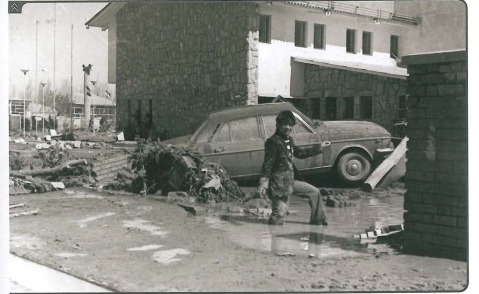
Earthquake in southern Khorasan

After the 1968 earthquake in southern Khorasan, he led a group of clergy to Ferdos to assist victims and organize relief efforts. During his two-month stay, he built close relationships with local people and spread the message of the Islamic movement through meetings and religious gatherings. These activities alarmed SAVAK, forcing him to leave Ferdos. Later, his attempt to travel to Iraq and meet Imam Khomeini in Najaf was blocked by SAVAK, and he remained banned from leaving the country until the victory of the Islamic Revolution.

Imprisonment for six months

Ali Khamenei was sentenced to six months in prison for his involvement in the “Meeting of the Eleven.” After the sentence was published in Keyhan newspaper, he refused to appear before the appeals court following consultation with Mashhad’s ulama. Despite government pressure, he maintained close ties with prominent revolutionary clerics such as Mahmoud Taleghani, Mohammad Reza Saidi, Mohammad Javad Bahonar, Mohammad Reza Mahdavi Kani, Morteza Motahhari, Akbar Hashemi Rafsanjani, and Fazlollah Mahallati. Although based in Mashhad, he actively participated in revolutionary meetings in Tehran, where plans were made to send clergy to villages around Mashhad. He focused on strengthening the Islamic movement through cultural and ideological activities, including tafsir classes, lectures, and public speeches aimed at increasing religious awareness. Ayatollah Khamenei believed that Islamic ideals could only be achieved through intellectual and cultural development. In 1969, he also organized meetings with Islamic intellectuals and activists to counter the growing influence of Marxist-oriented political movements in universities.

Speech in Ershad Hussainiyah and al-Jawad Mosque in Tehran

Ali Khamenei maintained close relations with many intellectuals and major revolutionary-Islamic centers and cooperated actively with them. He was invited to important religious and political centers in Tehran, including Hosseiniyeh Ershad and Al-Jawad Mosque, to deliver speeches on the Islamic struggle. His speeches at Hosseiniyeh Ershad in late 1969, delivered at the invitation of Morteza Motahhari, and his lectures at Al-Jawad Mosque, organized by the Islamic Council of Engineers, had a strong impact on raising political and religious awareness among the younger generation, especially university and high school students.

Series of meetings

In the spring of 1970, Ali Khamenei organized a series of meetings aimed at strengthening the ideological foundations of the Islamic movement against the Pahlavi regime. In these sessions, he discussed strategies for struggle based on the Islamic worldview and ideology. Prominent figures such as Morteza Motahhari, Mahmoud Taleghani, Mehdi Bazargan, Akbar Hashemi Rafsanjani, Yadollah Sahabi, Abbas Sheibani, and Kazem Sami participated in these discussions, which contributed to refining concepts related to Islamic ideology and worldview.

Fourth arrest

After the death of Ayatollah Mohsen Hakim in 1970, the issue of selecting the leading marja taqlid became a major topic in society. Ali Khamenei praised Ayatollah Hakim’s scholarly status and actively worked to introduce Ruhollah Khomeini as the principal marja taqlid. Following the martyrdom of Mohammad Reza Saidi at the hands of SAVAK in June 1970, Ayatollah Khamenei sought to direct public anger and grief toward support for Imam Khomeini and opposition to the regime. His efforts encouraged seminarians and clergy to distribute pamphlets criticizing SAVAK and supporting the Islamic movement. As a result, SAVAK arrested him in Mashhad and imprisoned him in Lashkar-e Khorasan Prison in October 1970.

Speeches at Ansar al-Hussein Heyat

After his release, he continued his revolutionary activities. During Muharram of that year, despite being banned by SAVAK from public preaching, he delivered speeches at Ansar al-Hussein Heyat in Tehran. In 1971, at the invitation of Mahmoud Taleghani, he also gave lectures at Hedayat Mosque in Tehran, an influential center for students and young people.
which was the center of attention among students and youth – at the invitation of Ayatollah Taleqani.

Three arrests in 1350

After Imam Khomeini condemned and declared the 2,500-year imperial celebrations organized by the Pahlavi dynasty as haram, SAVAK imposed very strict measures against the activities of revolutionary clerics. As a result, Ali Khamenei was summoned to the SAVAK office in Mashhad in Mordad 1350 (August 1971) and was imprisoned for a period in Lashkar-e Khorasan Prison. After his release, he continued his revolutionary activities and was arrested two more times in the same year. The first arrest took place in Aban 1350 (October–November 1971), leading to a short-term imprisonment in Lashkar-e Khorasan Prison. The second arrest occurred on the 21st of Azar 1350 (December 1971), after which he was imprisoned for three months on charges of acting against national security.

Teaching in Tehran, Mashhad

After his release, Ali Khamenei continued his socio-political activities and frequently participated in gatherings held at Ansar al-Hussein Heyat and Narmak Mosque in Tehran, where he delivered speeches on religious and political issues. In addition, he continued teaching tafsir at Mirza Ja‘far School, Imam Hassan (a.s.) Mosque, Qiblah Mosque, and at his home in Mashhad. The audience at these gatherings included university and secondary school students, young clerics, and people from various social backgrounds. Through these sessions, he familiarized them with the philosophy of revolutionary and political Islam. Later, many of the participants and students who attended these meetings became actively involved in raising public awareness across different parts of the country during the peak of the revolutionary movement.

SAVAK's reports

SAVAK agents prepared many reports about his speeches and classes. From the viewpoint of SAVAK, people like Ayatollah Khamenei were considered to be among intellectual and revolutionary teachers in Islamic seminaries. SAVAK thought that these personalities tried to raise the political and social awareness of seminarians and the clergy as well as establishing close relationships with students and youth.

In Neyshabur

In Farvardin 1352 (March–April 1973), Ali Khamenei traveled to Neyshabur to promote revolutionary ideas. In the mosques of the city, he taught *usul*, and his classes were held once a week on Thursdays. In Khordad 1352 (May–June 1973), SAVAK prevented him from continuing his *tafsir* classes at Imam Hassan (a.s.) Mosque and at his home. In Azar 1352 (November–December 1973), Ayatollah Khamenei shifted his activities to Keramat Mosque, where he led congregational prayers and continued his *tafsir* classes. This was done at the invitation of the founder of the mosque. He transformed the mosque into a center for the activities of students and young clerics. In response to his extensive political activities, SAVAK of Mashhad prohibited him from leading congregational prayers at the mosque.

Sixth arrest: The most difficult one

In Aban 1353 (October–November 1974), Ali Khamenei delivered speeches at Javid Mosque in Tehran at the invitation of Mohammad Mofatteh, who was the prayer leader of the mosque and had been banned from delivering sermons at that time. As a result, SAVAK arrested Ayatollah Mofatteh and closed Javid Mosque, which had become an important center of revolutionary activities. Furthermore, SAVAK searched Ayatollah Khamenei’s house in Azar of the same year. According to SAVAK, the reason for the search was his statements during a private meeting regarding the necessity of establishing an organization to continue the struggle and make use of available opportunities in order to advance the goals of the Islamic movement in Mashhad.
Finally, Ayatollah Khamenei was arrested for the sixth time in Dey 1353 (December 1974–January 1975). On this occasion, he was transferred to the Anti-Vandalism Prison in Tehran. As Ayatollah Khamenei himself later stated, he experienced some of the harshest conditions during this imprisonment. He was denied contact with others, and his family was not informed of his whereabouts.

Activities leading to internal exile

Ali Khamenei was released on the 2nd of Shahrivar 1354 (August 1975), but he remained under close surveillance by intelligence agents. He was prohibited from leading congregational prayers, delivering speeches, teaching, and holding tafsir classes, even in his own home. Despite these political and security restrictions, he secretly continued his tafsir classes as well as his intellectual and revolutionary activities. He also continued distributing financial support to clerics on behalf of Imam Khomeini.

Publishing of Islamic Thought in the Quran

In late 1354 (1976), Ali Khamenei secretly published the book Islamic Thought in the Quran under the pseudonym “Sayyid Ali Hosseini.” Following a flood in Quchan, he also organized a relief group at Ouzieh School in the city to assist the victims and provide humanitarian aid.

Muharram Speeches (December 1976–January 1977)

According to SAVAK documents, there are reports concerning the activities of Ali Khamenei and his father in late 1355 (1976–1977), indicating that they supported Ruhollah Khomeini and promoted the Islamic movement. During Muharram 1396 A.H. — corresponding to Dey 1355 S.H. (December 1976–January 1977) — Ayatollah Khamenei delivered several speeches criticizing the regime. He also organized meetings for students and young people to discuss the intellectual and cultural conditions of society, and he participated in gatherings of ulama and seminarians in Tehran.

Death of Dr. Ali Shariati

After the death of Ali Shariati in London on the 29th of Khordad of 1356, Ayatollah Khamenei participated in his memorial service as he was familiar with him and his father from their mutual time in Mashhad in their youth.

Martyrdom of Ayatollah Sayyid Mostafa Khomeini

Following the martyrdom of Ayatollah Mostafa Khomeini — the eldest son of Ruhollah Khomeini — in Najaf on the 1st of Aban 1356 (October 1977), Ali Khamenei, along with a number of revolutionary activists, organized a memorial ceremony at Mulla Hashem Mosque on the 6th of Aban.
In addition, he and several ulama in Mashhad sent a telegram to Imam Khomeini in Najaf to express their condolences. The martyrdom of Ayatollah Sayyid Mostafa Khomeini and the events that followed marked the beginning of the final phase of the Islamic movement, during which widespread activities and public support for the Revolution intensified.

Internal exile to Iranshahr

In response to these activities, the Pahlavi dynasty imposed severe restrictions on political activities, despite its earlier claims that society was enjoying an open political atmosphere. As part of this policy, several prominent activists were exiled, and Ali Khamenei was among them.
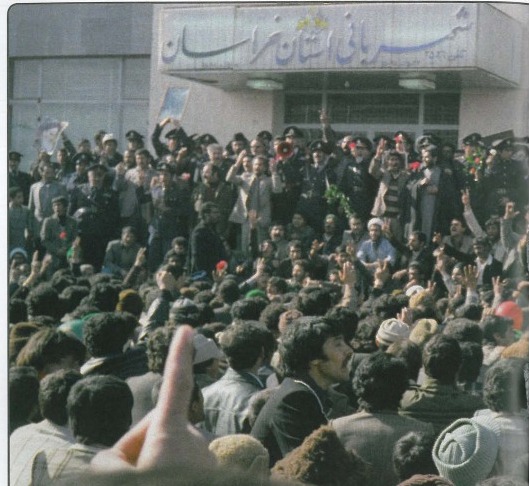
The Public Security Commission of Khorasan sentenced him to three years of exile in Iranshahr, located in Sistan and Baluchestan Province. On the 23rd of Azar 1356 (December 1977), SAVAK agents raided his house, arrested him, and transferred him to Iranshahr. The purpose of this measure was to sever his ties with the people and revolutionary activists, thereby preventing him from continuing his activities and speaking out against the regime.

Positive interactions with the local Sunni population

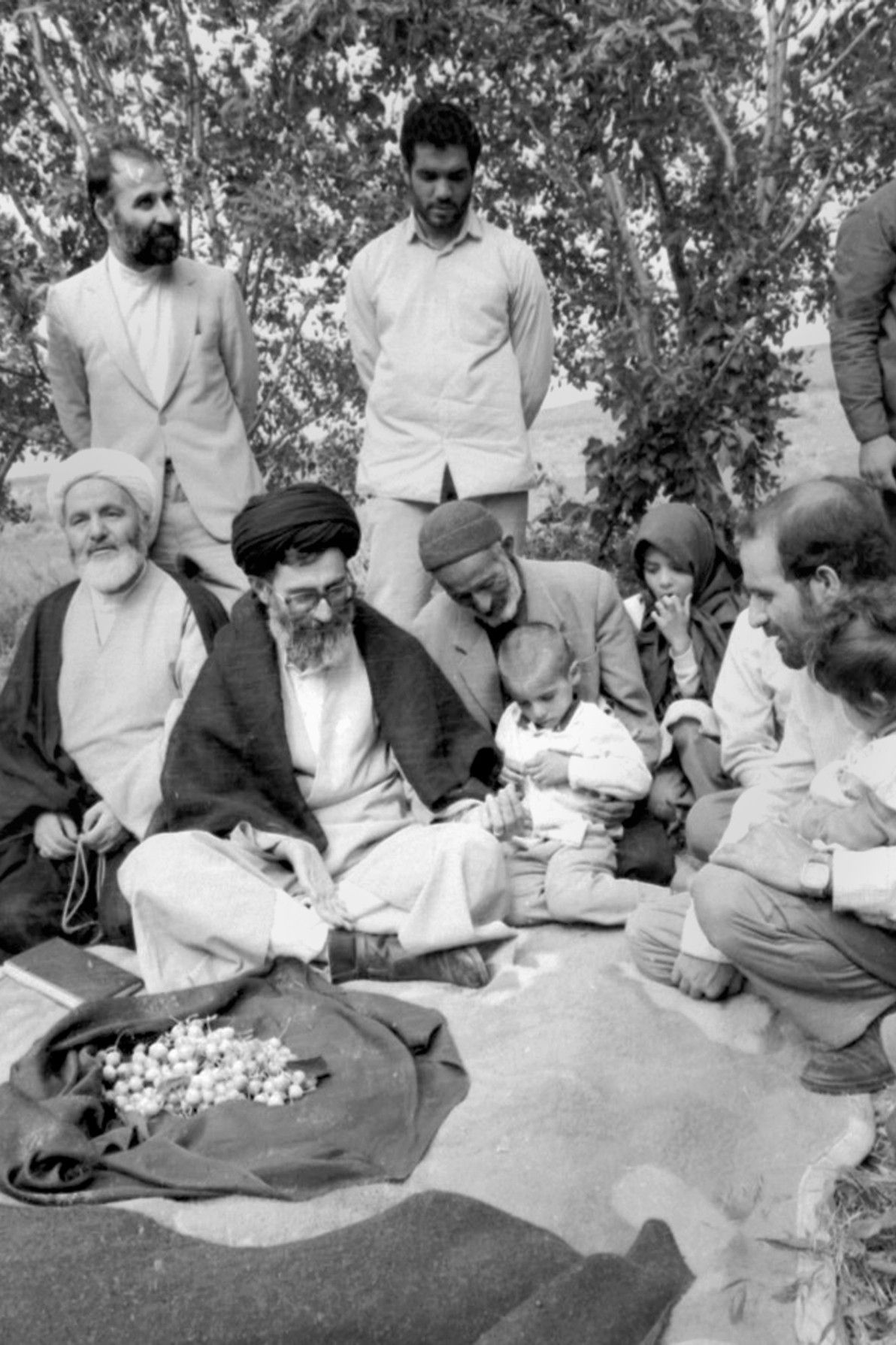
However, through his positive interactions with the local Sunni population of Eshtehar village, Ali Khamenei gained popularity among the people of Iranshahr. By taking advantage of these opportunities, he conveyed the message of the Revolution to people living in some of the most remote areas of the country.
His speeches at Al-e Rasool Mosque in Iranshahr, along with the frequent visits of revolutionary ulama, seminarians, revolutionary activists, and people from various social backgrounds to his home, led intelligence agents to impose further restrictions on his activities and prevent people from meeting with him.

Letter to Ayatollah Mohammad Sadoughi

Following the massacre of the people of Yazd on the 19th of Farvardin 1357 (April 1978) by the security forces of the Pahlavi dynasty, Ali Khamenei wrote a letter to Mohammad Sadoughi, the prayer leader of Yazd, condemning this brutal act, encouraging the people to continue their struggle, and commemorating the martyrs of the incident. The letter was later distributed throughout the country in the form of a manifesto and became one of the influential statements supporting the revolutionary movement.

Flood in Iranshahr

When a flood struck Iranshahr on the 11th of Tir 1357 (July 1978), Ali Khamenei — drawing on his previous experience in organizing relief and rescue operations — led the only relief group active in the city. Through cooperation with clerics in various cities, including Yazd and Mashhad, he succeeded in collecting charitable donations and distributing them among the flood victims. During his exile, Ayatollah Khamenei also maintained close relations with prominent activists and ulama across different parts of Iran. He regularly corresponded with them regarding the Islamic movement, which enabled him to remain informed about important developments and events. Through these letters, he also took part in the collective decisions made by the ulama.

Internal exile to Jiroft

As the Islamic Revolution intensified in Tir 1357 (July 1978), a number of clerics from Mashhad Seminary opposed the continued exile of Ali Khamenei and demanded his return. Due to his growing influence and revolutionary activities in Iranshahr, intelligence agents transferred his exile to Jiroft in Kerman Province on the 22nd of Mordad 1357. Despite stricter conditions in Jiroft, Ayatollah Khamenei continued speaking against the Pahlavi regime at the city’s Jameh Mosque. One of his speeches in Shahrivar 1357 led to public demonstrations and revolutionary slogans. He also joined other clerics in writing to Abdol Hossein Dastgheib about continuing the Islamic movement and condemning the regime’s crimes. Later, he secretly traveled to Kahnuj and continued his anti-regime speeches.

Return to Mashhad

As the Islamic Revolution intensified and the Pahlavi regime lost control over the growing popular movement, Ali Khamenei returned to Mashhad on the 1st of Mehr 1357 (September 1978). There, he continued organizing revolutionary activities and strengthening the movement against the regime.

Telegram to Imam Khomani

During the period when Ruhollah Khomeini was residing in France, Ali Khamenei and several revolutionary clerics from Mashhad sent him a telegram describing his stay in France as a source of hope, determination, and inspiration for the people of Iran. In the telegram, they requested Imam Khomeini to issue the necessary instructions for continuing the struggle against the regime and for preparing the ground for his return to Iran.

Imam Khomeini’s willingness to meet Ayatollah Khamenei

Within a short period, the revolutionary activities of Ali Khamenei in Mashhad intensified significantly. In addition to organizing public rallies and demonstrations, he delivered speeches against the Pahlavi regime and maintained close contact with the household of Ruhollah Khomeini and other revolutionary activists. As a result of these connections, Ahmad Khomeini called Mohammad Sadoughi from Paris on the 10th of Aban 1357 (November 1978) and conveyed Imam Khomeini’s willingness to meet with him and Ayatollah Khamenei.

Speech at Saad abad stadium ,Mashhad

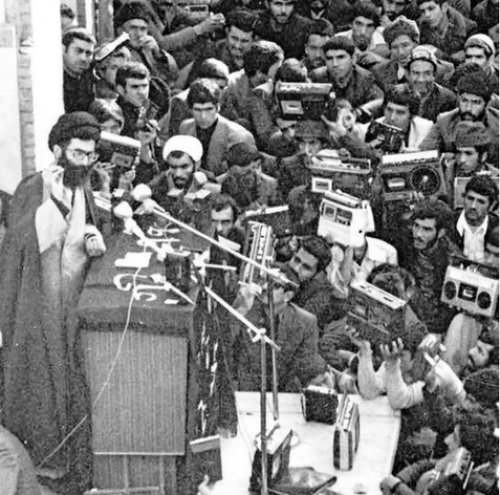
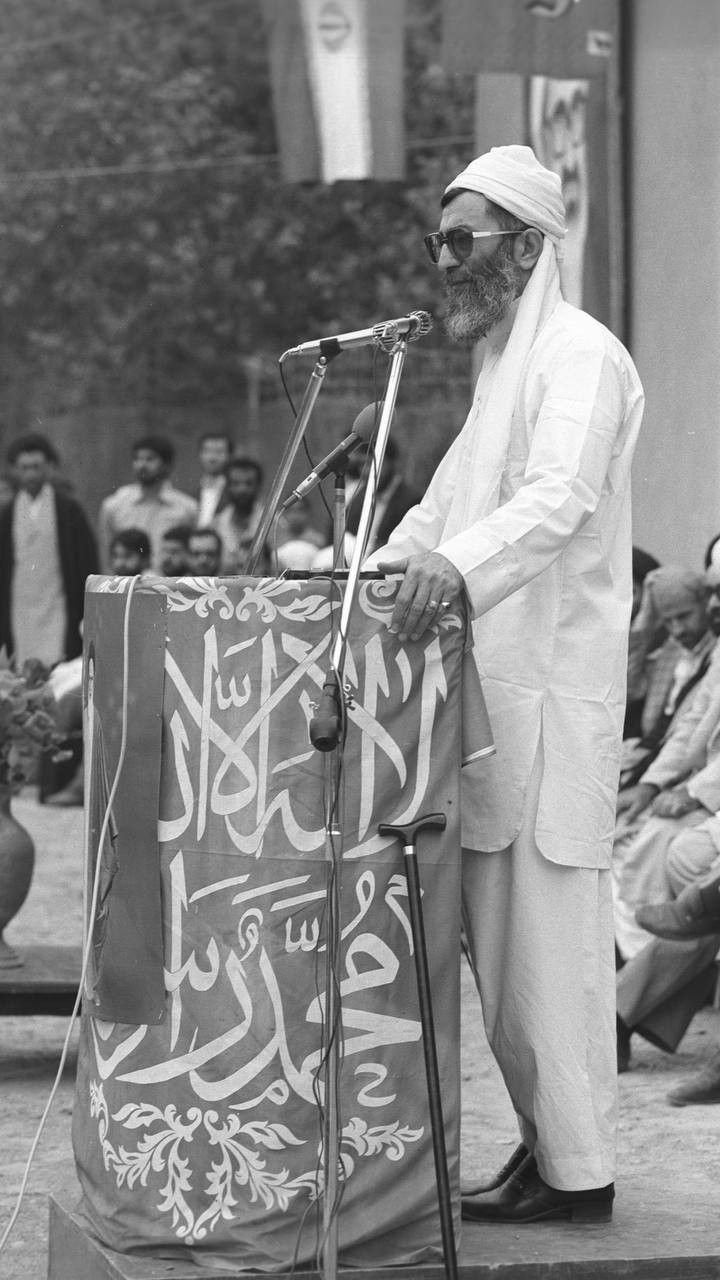
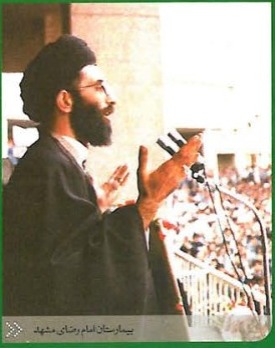
Ali Khamenei was among the clerics who addressed cultural figures in Saad Abad Stadium in Mashhad, calling for the return of Ruhollah Khomeini and the establishment of an Islamic government.
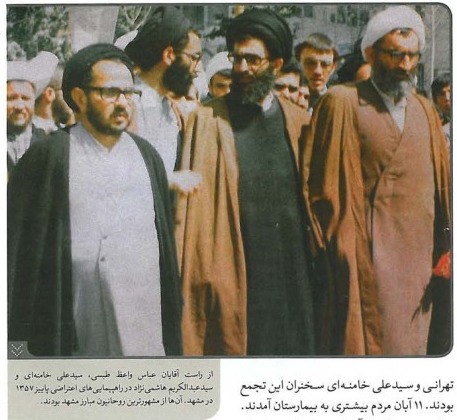
In the final days of Aban 1357 (November 1978), he and Abdol Karim Hashemi Nejad traveled to Quchan, Shirvan, and Bojnourd, where they delivered speeches aimed at advancing the Revolution. Due to his growing influence and revolutionary activities in Mashhad, intelligence agents of the Pahlavi regime arrested him. In SAVAK reports, Ayatollah Khamenei was described as one of the leading figures of the Revolution in Khorasan.

speech at Imam Ridha’s Shrine on Ashura 1978

On the day of Ashura in 1357 (1978), Ali Khamenei delivered passionate speeches to large gatherings of people in Mashhad . On behalf of Ruhollah Khomeini, he delivered the Night of Ashura sermon. Through this revolutionary act, he broke the long-standing tradition imposed by the Pahlavi regime, under which the ceremony had previously been conducted formally and included prayers for Mohammad Reza Pahlavi.
Furthermore, he organized the massive Ashura rally in Mashhad and delivered a speech there. He was also among the clerics who proposed holding a demonstration at Shah Reza Hospital (now Imam Ridha Hospital) in protest against the attack carried out by agents of the Pahlavi regime on the hospital.
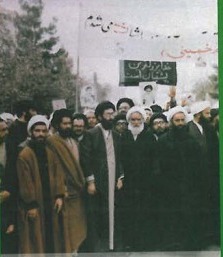
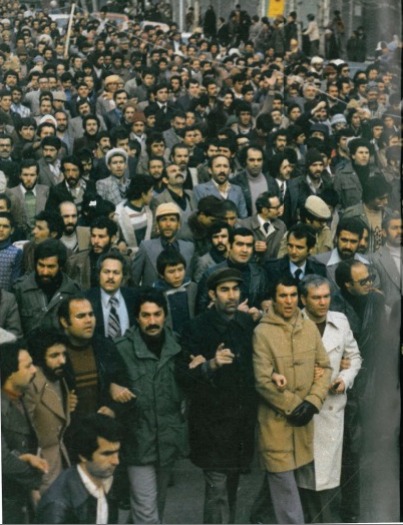
As the clergy proceeded toward the demonstration, many people joined them. The demonstrators issued a manifesto condemning the crimes of the Pahlavi agents, demanding punishment for those responsible, calling for the overthrow of the Pahlavi regime, and urging the return of Imam Khomeini. These actions had wide repercussions throughout the country, and many pamphlets were published in support of the movement.

Mashhad demonstrations on 30 December 1978

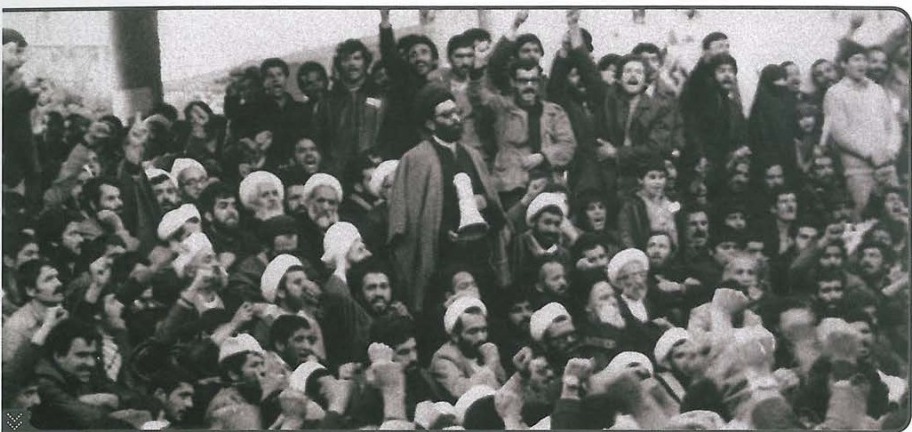
On the 9th of Dey 1357 (30 December 1978), Ali Khamenei and several revolutionary clerics of Mashhad led a large crowd of people toward the Provincial Government Building in an effort to encourage the officials and employees of Khorasan Province to join the Revolution. However, despite the peaceful nature of the gathering, police forces inside the building opened fire on the crowd. As a result, demonstrations spread through the streets, leading to unrest in which several government buildings and centers were set on fire. That same night, the clerics of Mashhad, including Ayatollah Khamenei, attempted to prevent further bloodshed through negotiations and meetings. Nevertheless, the agents of the Pahlavi regime carried out the massacre known as the “Bloody Sunday of the 10th of Dey” 1357. Following this event, Ayatollah Khamenei and other clerics of Mashhad issued a manifesto condemning the massacre and calling for the continuation of the revolutionary movement.

Membership in the Council of the Islamic Revolution

As the collapse of the Pahlavi dynasty accelerated and signs of the final victory of the Islamic movement became evident, Ruhollah Khomeini ordered the formation of the Council of the Islamic Revolution on the 22nd of Dey 1357 (January 1979). Ali Khamenei was appointed as one of its members and, in late Dey 1357, left Mashhad — where he had played a key role in the revolutionary developments — and traveled to Tehran. He stayed at Refah School and actively participated in organizing the final phase of the Islamic Revolution and planning for the future alongside revolutionary figures such as Mohammad Beheshti, Murtaza Mutahari and Mohammad Mofatteh. After the committee responsible for welcoming Imam Khomeini was established by the Council of the Islamic Revolution, Ayatollah Khamenei was placed in charge of its promotion and publicity committee.

Sit-In at university of Tehran Mosque

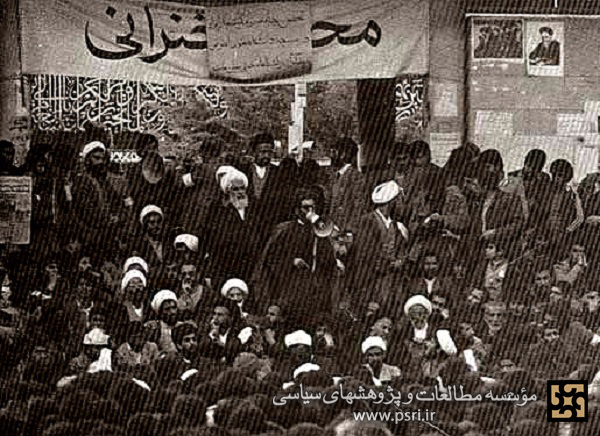
When the airports of Iran were closed by order of the Shah-appointed Prime Minister Shapour Bakhtiar in an attempt to prevent Ruhollah Khomeini from returning to the country, Ali Khamenei, together with Mohammad Beheshti and several other prominent revolutionary clerics, organized a large sit-in protest at the Mosque of the University of Tehran in opposition to this decision. As more ulama, academics, and ordinary people joined, the sit-in expanded significantly.
On the night before the sit-in, Ayatollah Beheshti delivered a speech at Behesht-e Zahra, while Ayatollah Khamenei read aloud a resolution that he had personally prepared. This gathering paved the way for the sit-in at the University of Tehran Mosque on the following day.
During the protest, Ayatollah Khamenei and the other clerics carried out various activities, including delivering speeches, issuing manifestos, and publishing a pamphlet titled Sit-In.

The return of Imam Khomeini to Iran

By issuing a manifesto on the 8th of Bahman 1357 (January 1979), the demonstrators declared that they would continue the sit-in until the airports were reopened and Ruhollah Khomeini was allowed to return to Iran. The sit-in continued until the morning of the 12th of Bahman and transformed the Mosque of the University of Tehran into an important center of revolutionary activity.
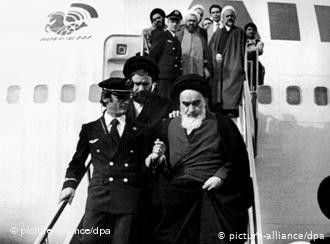
On the historic day of Imam Khomeini’s return to Iran on the 12th of Bahman 1357 (1 February 1979), Ali Khamenei, along with many clerics and revolutionary activists, went to Mehrabad Airport to welcome him. During the following ten days, Ayatollah Khamenei remained close to Imam Khomeini and offered him advice and support. He also accepted responsibility for managing Imam Khomeini’s publicity committee in order to counter the propaganda of domestic and foreign opponents, opportunistic parties, and various political groups. In addition, he helped publish pamphlets such as Imam, for which he personally wrote and published several articles.

Political and Social Life
(The First Decade of the Islamic Revolution (February 1979 – June 1989) )

“Knowledge, faith, and perseverance build civilizations.”
English